





What a Mopar Oil Change Coupon Should Cover
A Mopar oil change coupon is useful only when you know exactly what service it applies to. An oil change is not a one-size-fits-all job for a Jeep Wrangler, RAM 1500, Chrysler Pacifica, or Dodge Durango. Engine size, oil specification, filter requirements, vehicle use, and added inspection items all affect what your vehicle needs. The best coupon helps reduce the cost of proper maintenance without cutting corners on the parts or people doing the work.
For drivers across Glendale Heights, Bloomingdale, Wheaton, Carol Stream, Lombard, Naperville, and nearby communities, the smart move is to compare the service details before booking. A clear offer should tell you what is included, what may carry an additional charge, and whether your vehicle qualifies.
What a Mopar Oil Change Coupon Should Include
Start with the basics: the offer should identify the oil type, the oil filter, and the applicable vehicle brands or models. Mopar oil change offers are typically built around factory-recommended oil and a genuine Mopar filter, but coverage can vary based on engine capacity and vehicle configuration.
That distinction matters. A conventional service offer may not apply to an engine that requires full synthetic oil, a larger-capacity truck engine, or a diesel application. The same is true for vehicles used for heavy towing, commercial work, frequent short trips, or severe Illinois winter driving. Those conditions can make following the correct oil specification even more critical.
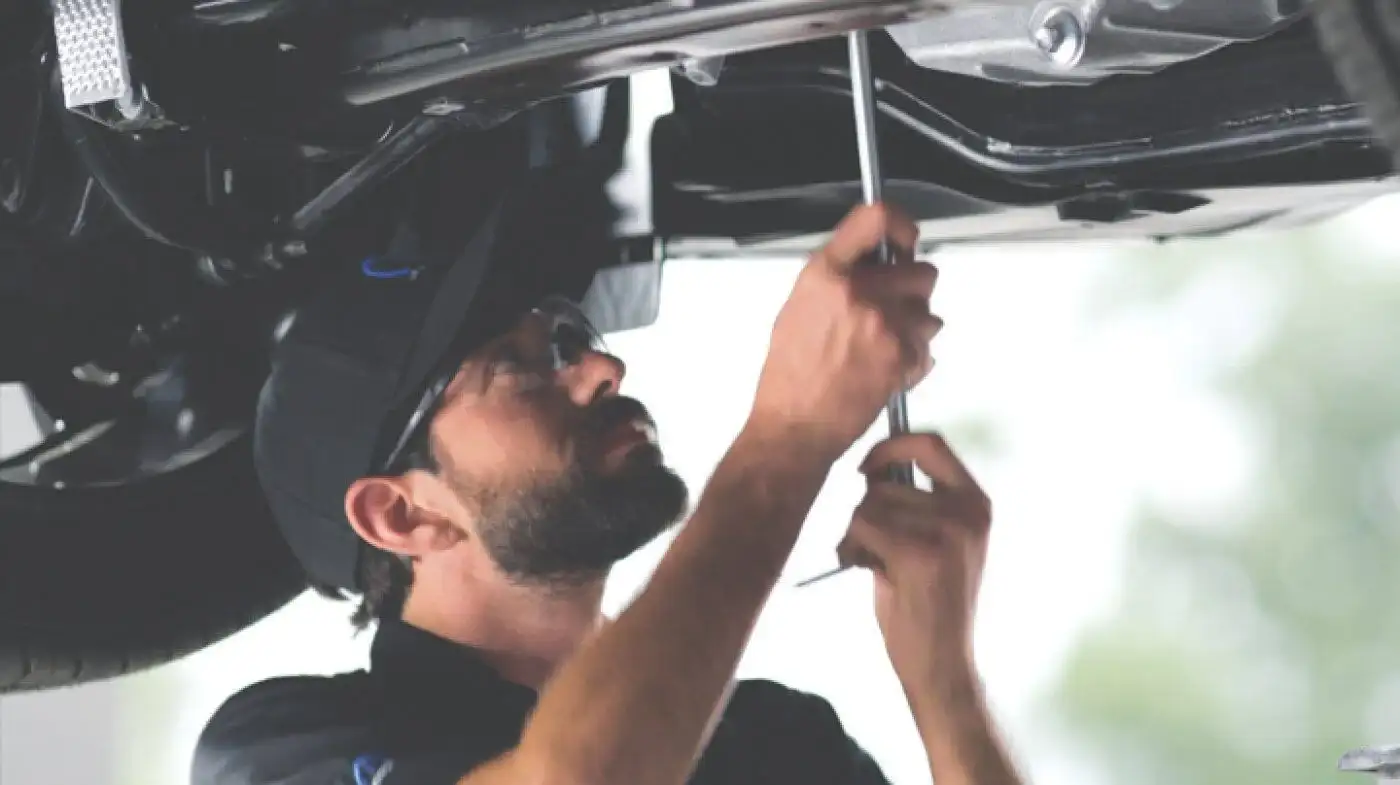
A well-explained service visit also includes more than draining and refilling oil. Certified technicians commonly inspect key maintenance items during the appointment, such as tire condition, fluid levels, brakes, battery condition, belts, hoses, and visible leaks. The exact inspection can vary, but it gives you a chance to catch a small issue before it becomes an inconvenient repair.
Read the Fine Print Before You Schedule
A coupon is a service offer, not a substitute for confirming what your vehicle needs. Before you schedule, check the expiration date, participating location, vehicle exclusions, and whether the stated offer covers your required oil quantity. Look for wording related to diesel engines, high-performance models, commercial vehicles, or extra quarts of oil.
It also helps to ask whether the offer includes shop supplies, disposal, taxes, and the filter. Transparent service departments will give you a direct answer before work begins. If an offer applies only to a limited oil type or capacity, that does not make it a bad deal. It simply means you should know the final scope of service upfront.
For example, a RAM 1500 used mainly for commuting may have different needs from a RAM truck that regularly pulls equipment through DuPage, Cook, or Kane County. A Jeep Grand Cherokee 4xe still has a gasoline engine that needs routine oil service, even though its plug-in hybrid system can reduce engine runtime on certain drives. A Pacifica Plug-in Hybrid also requires maintenance based on its own schedule and operating conditions.
Why Genuine Mopar Parts Matter at Oil Change Time
The oil filter is easy to overlook because it is not visible after service. It is also one of the most important parts of the job. A genuine Mopar filter is engineered for the pressure, flow, fitment, and service requirements of Chrysler, Dodge, Jeep, and RAM vehicles. Pairing it with the correct oil helps support engine protection between service visits.
Using the correct oil matters just as much. Modern engines are designed around precise oil viscosity and performance standards. The wrong oil may affect lubrication during cold starts, fuel efficiency, variable valve timing operation, or turbocharger protection where equipped. This is not a place to guess based on what worked in an older vehicle.
There is a practical trade-off here. An independent quick-service shop may be convenient, particularly when your schedule is packed. But a factory-trained technician has access to brand-specific maintenance information and knows what to look for on your particular CDJR vehicle. That extra familiarity can be especially valuable for drivers with a newer vehicle, a certified pre-owned model, a hybrid, or a work truck that cannot afford unexpected downtime.
Follow the Oil Life System, Not Just the Calendar
Many drivers still use a fixed mileage rule for every oil change. Your vehicle’s oil life monitoring system provides a better starting point because it accounts for how the vehicle is driven. Short trips, idling, stop-and-go traffic, extreme temperatures, towing, and hauling can all affect oil condition.
That does not mean you should wait until the last possible moment. When the oil change indicator appears, schedule service promptly. If you are planning a road trip, entering a busy towing season, or preparing a fleet vehicle for a heavier workload, it can make sense to schedule sooner. Checking the owner’s manual and discussing your use with a service advisor gives you a more accurate interval than relying on a generic rule.
Drivers should also pay attention to warning signs between scheduled visits. A low oil level, burning-oil smell, unusual engine noise, oil spots where you park, or an illuminated oil-pressure warning light calls for attention. An oil-pressure warning is different from a routine oil-life reminder. If that light appears, stop driving when it is safe to do so and seek professional guidance.
Get More Value From Your Service Visit
The strongest value is not always the offer with the largest headline savings. It is the one that matches the maintenance your vehicle actually requires. A coupon that covers the correct oil, a quality filter, and a credible inspection can help you maintain your vehicle with fewer surprises.
Use the appointment to ask practical questions. If your tires show uneven wear, ask whether an alignment check is worthwhile. If the battery test shows reduced performance before winter, ask what the reading means rather than waiting for a no-start morning. If brake components are wearing, ask how much service life remains and whether the repair is urgent or can be planned. Real answers make it easier to budget and prioritize.
This approach is particularly helpful for households comparing a new vehicle with a certified pre-owned option. Maintenance history, inspection findings, and service records tell a more complete story than mileage alone. For commercial buyers, keeping a RAM ProMaster or ProMaster EV on a documented maintenance schedule can support uptime and help prevent disruptions to the workday.
When an Oil Change May Lead to Other Recommended Service
A professional inspection can uncover maintenance needs that are separate from the oil change. That does not automatically mean every recommendation needs to be completed immediately. Ask the advisor to explain the condition, the consequence of waiting, and the manufacturer recommendation.
Some items are time-sensitive, such as a safety-related brake concern, a failing battery, or a fluid leak. Others may be maintenance items you can plan for, depending on mileage, condition, and how you use the vehicle. The right service team distinguishes between “needs attention now” and “monitor or plan ahead.”
DuPage Chrysler Dodge Jeep RAM takes that straightforward approach because long-term value depends on informed decisions, not pressure. Whether you drive a family-focused Pacifica, a trail-ready Wrangler, a Grand Cherokee L, or a hardworking RAM, routine maintenance should come with clear explanations.
Before your next service visit, check the current Mopar oil change coupon terms, have your VIN available, and describe how you use your vehicle. Then schedule service with a certified team that can match the offer to the correct oil, filter, and maintenance plan for your CDJR vehicle.
Frequently Asked Questions
Do I have to get my oil changed at the dealer to keep my warranty?
No. Federal law lets you have routine maintenance done wherever you choose without voiding your warranty, as long as the work follows the manufacturer’s requirements. Keep receipts showing the date, mileage, oil type, and filter used. Servicing at DuPage Chrysler Dodge Jeep RAM keeps those records in one place and ensures the oil and filter meet Mopar specifications.
Should I change my oil more often during northern Illinois winters?
Cold starts, short trips, and long warm-up idling are common in Glendale Heights and Carol Stream winters, and they can shorten oil life. Your vehicle’s oil life monitoring system accounts for those conditions, so the reminder may appear sooner in cold months. That is normal. Schedule service when the indicator appears rather than stretching the interval to a fixed mileage.
Can I combine an oil change with a tire rotation or winter prep?
Yes, and it often saves a separate trip. Many Chrysler, Dodge, Jeep, and RAM owners pair an oil change with a tire rotation, battery test, or wiper blade replacement before winter arrives. Ask the service advisor what is due based on your mileage and maintenance history, and whether a current coupon applies to any of the combined work.
Where can I find current Mopar oil change coupons at DuPage CDJR?
DuPage Chrysler Dodge Jeep RAM posts its current service and parts offers on the service coupons page of its website. Offers change periodically, so review the expiration date, eligible vehicles, and any oil capacity limits before booking. Mention the coupon when you schedule online and bring it on your phone to the appointment.
0 comment(s) so far on What a Mopar Oil Change Coupon Should Cover