







RAM Commercial Trucks Built for Real Work
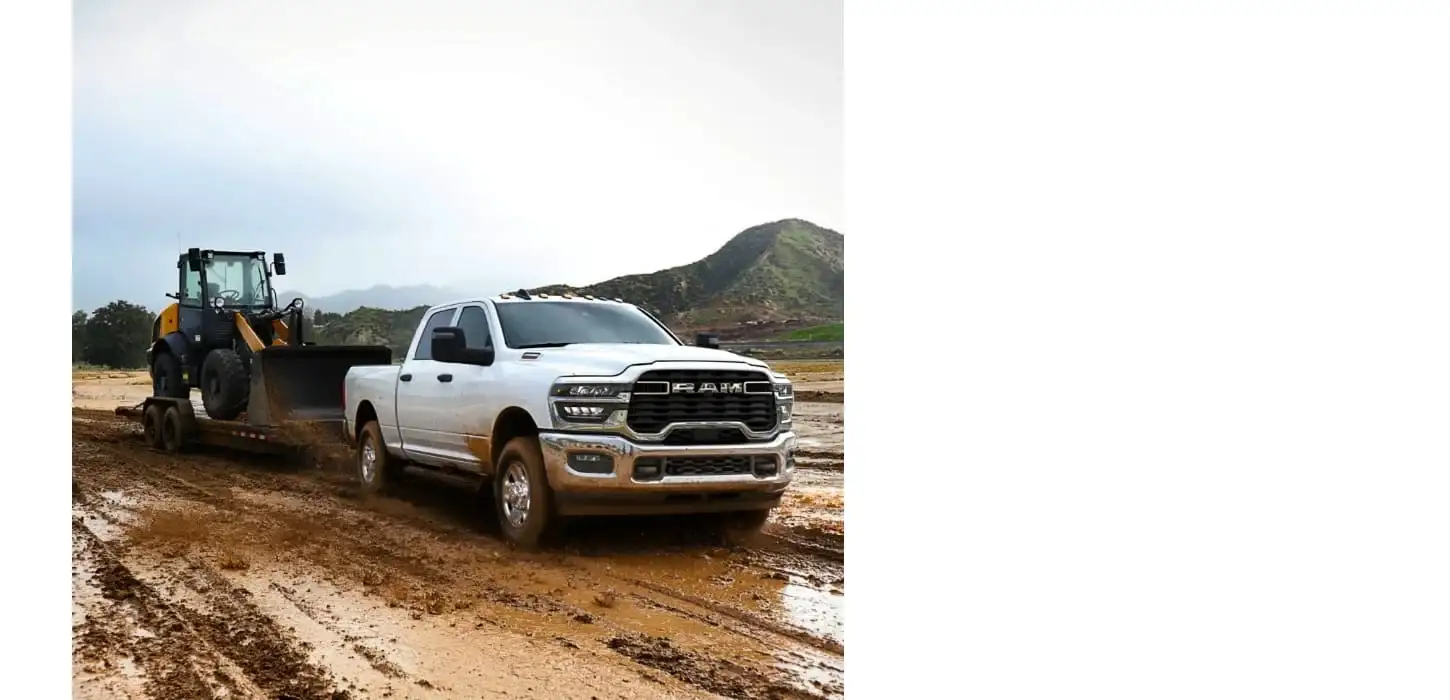
A truck that spends its week carrying tools to Wheaton, making deliveries in Schaumburg, or towing equipment through DuPage County needs to earn its place on the payroll. RAM commercial trucks give local contractors, fleet managers, and owner-operators a practical range of pickups, chassis cabs, and cargo vans built around the work itself – not a one-size-fits-all idea of capability.
The right choice comes down to what your crew hauls, where it travels, how often it tows, and whether the vehicle needs a specialized body or upfit. A landscaping company, electrician, mobile repair business, and regional delivery operation may all need commercial transportation, but they do not need the same vehicle. That is why comparing the full RAM lineup matters.
Which RAM Commercial Truck Fits Your Work?
RAM commercial vehicles generally fall into three working categories: pickup trucks, chassis cab trucks, and ProMaster vans. Each solves a different business problem.
A RAM 1500 is often the sensible starting point for businesses that need a daily driver with real towing and payload capability. It is a strong fit for supervisors, sales teams, light contractors, and small crews that carry materials or tow equipment occasionally. Depending on configuration, a properly equipped RAM 1500 can tow up to 11,610 pounds. That capability is useful, but it should not be the only number guiding a purchase. Payload, bed length, cab space, hitch setup, and the weight of people and gear all affect whether a specific truck works for your operation.
For heavier trailers, denser cargo, and frequent jobsite duty, RAM Heavy Duty trucks step in. The RAM 2500 and RAM 3500 are designed for customers whose work regularly goes beyond light-duty limits. Available diesel power, higher-capacity frames, and heavy-duty suspension options make a difference when the truck is pulling machinery, carrying materials, or operating day after day with a loaded trailer.
Then there is the RAM Chassis Cab lineup. A 3500, 4500, or 5500 Chassis Cab is not simply a pickup with the bed removed. It is a platform for a purpose-built work body – such as a flatbed, dump body, utility body, service body, stake bed, or box body. For businesses that need organized tool storage, regular material hauling, or equipment mounted directly to the vehicle, a chassis cab can be the more productive choice.
When a Pickup Is Better Than a Cargo Van
Pickup trucks remain a smart commercial answer when the work involves towing, outdoor equipment, dirty materials, or changing loads. An open bed is easier to clean after hauling mulch, gravel, construction debris, or jobsite supplies. It also gives crews flexibility when no two workdays look alike.
Cab configuration deserves as much attention as tow rating. A regular cab can maximize bed space and keep the overall footprint manageable. A crew cab gives a growing team more room for passengers, paperwork, laptops, and secure interior storage. For businesses that send several technicians to one site, that extra space can be more valuable than an additional few inches of bed length.
The trade-off is security. Tools in a pickup bed need a tonneau cover, cap, lockable boxes, or another storage plan. If expensive equipment stays in the vehicle overnight, a van or a utility-body chassis cab may offer better protection and organization.
RAM 1500 for Light-Duty Business Use
The RAM 1500 makes sense when comfort matters alongside capability. If the owner or foreman uses the truck for client visits, commuting, and jobsite duties, its refined ride and available technology can make long days easier. It is not automatically the best commercial truck for every buyer, however. Businesses towing heavy equipment several times a week may be better served by moving up to a RAM Heavy Duty model rather than operating close to a light-duty truck’s limits.
RAM Heavy Duty for Consistent Towing and Hauling
A RAM 2500 or 3500 is built for businesses with more demanding loads. The key word is consistent. Buying more truck than necessary can mean a larger vehicle to maneuver, higher operating costs, and capability that goes unused. But underbuying can create downtime, accelerated wear, and an unpleasant experience for drivers.
Before choosing between a 2500 and 3500, document the actual trailer weight, loaded cargo weight, tongue weight, passenger count, and equipment carried in the bed. A transparent conversation based on real numbers is better than guessing from an empty trailer or a manufacturer maximum.
RAM Chassis Cab Trucks Make Upfitting Practical
For many trades, the best commercial vehicle is the one that keeps workers from wasting time looking for tools. RAM Chassis Cab trucks are designed to support that kind of organization.
An electrician may need lockable side compartments and a ladder rack. A landscaper may need a dump body for material and debris. A plumbing or HVAC company may need a service body with bins for fittings, parts, and diagnostic equipment. The advantage is not just storage capacity. It is being able to arrive at the job with the right equipment accessible and secured.
Upfitting should be part of the purchase decision from the start. The body adds weight, changes the truck’s usable payload, and may affect wheelbase, rear axle needs, and equipment placement. A business should also consider future growth. Adding a body that supports one technician today but cannot accommodate added inventory or a second worker next year may create an avoidable replacement cycle.
ProMaster Vans Keep Cargo Protected and Organized
Not every commercial buyer needs a truck bed. RAM ProMaster vans are a natural match for delivery routes, trade professionals, mobile service businesses, and organizations that carry inventory requiring protection from Illinois weather.
The ProMaster’s front-wheel-drive layout and low load floor can make frequent loading and unloading easier. Its cargo area is also well suited to shelves, bins, partitions, racks, and other vocational equipment. For a technician making multiple stops around Lombard, Carol Stream, or Naperville, organized interior storage can reduce time spent searching for parts at every appointment.
The RAM ProMaster EV adds an all-electric option for businesses whose routes are predictable and whose charging plan is realistic. It can be a compelling fit for local delivery or service fleets that return to a central location, but it is not automatically right for every operation. Daily route distance, payload, charging access, cold-weather conditions, and downtime tolerance all deserve an honest review before moving to electric.
Build a Fleet Around the Job, Not the Badge
Commercial purchasing often goes wrong when every vehicle is expected to do every task. A single heavy-duty truck may be perfect for towing equipment but inefficient for a technician who makes ten service calls a day. A cargo van may organize tools beautifully but be the wrong answer for a crew hauling a skid steer.
Some businesses benefit from a mixed fleet: a RAM Heavy Duty truck for equipment, ProMaster vans for service routes, and a RAM 1500 for management or lighter field work. That approach can put the right vehicle on each assignment while avoiding unnecessary fuel use, wear, and driver frustration.
When comparing RAM commercial trucks, focus on the numbers that affect your work: payload, towing capacity, cargo volume, interior dimensions, trailer type, upfit weight, route distance, and the number of people in the cab. Factory capability claims are valuable, but the specific configuration is what counts. Optional equipment, drivetrain, axle ratio, cab style, and body equipment can all change the final rating.
Financing and Service Are Part of the Business Decision
Commercial financing should support cash flow, not complicate it. Buyers should come prepared to discuss business ownership structure, expected use, trade-in equipment or vehicles, and whether they are purchasing one vehicle or replacing several. The right financing path depends on the business, and clear answers matter more than vague promises.
Service planning matters just as much. A work vehicle that is unavailable is more than an inconvenience – it can mean missed appointments and delayed jobs. Keeping up with oil changes, brakes, tires, filters, transmission service, and towing-related inspections helps protect uptime. Genuine Mopar parts and factory-trained technicians are especially valuable when the vehicle is equipped for demanding commercial use.
DuPage Chrysler Dodge Jeep RAM can help business buyers compare configurations, commercial needs, and available inventory without turning the conversation into guesswork. Whether your next vehicle is a RAM 1500, Heavy Duty pickup, Chassis Cab, ProMaster, or ProMaster EV, start with a clear description of the job it has to perform. Then browse the available commercial inventory, discuss financing options, and schedule service that keeps your current fleet ready for the next workday.
Frequently Asked Questions
Does a RAM Chassis Cab come with the work body installed?
A chassis cab is built to receive a body, such as a dump, flatbed, utility or service body, that is typically installed by an upfitter. Some trucks are already upfit in inventory, while others are configured to order. Ask DuPage Chrysler Dodge Jeep RAM about available upfit trucks and plan the body weight into your payload before you buy.
Are there incentives for business buyers of RAM trucks and vans?
RAM periodically offers commercial programs for qualified business buyers, and the details change over time. The dealership’s commercial and offers pages are a good place to check current programs, and the sales team can confirm eligibility for your business. Ask your tax professional separately about how a purchase or lease may affect your business taxes.
Should a DuPage County contractor choose a pickup or a ProMaster van?
Choose a pickup when the work involves towing, dirty materials or changing loads. Choose a ProMaster when tools and inventory need protection from weather and theft, and the day involves many stops. Contractors in Glendale Heights, Addison and Lombard who do both sometimes run a mixed fleet so each vehicle matches its main task.
How can I keep commercial RAM vehicles running through Chicago winters?
Stay ahead of battery testing, brake inspections and tire checks before cold weather arrives, since salt and freezing temperatures are hard on work vehicles. Rinse road salt from the underbody regularly, and schedule maintenance around your workload to limit downtime. Factory-trained technicians and genuine Mopar parts help keep a working fleet ready for the next job.
0 comment(s) so far on RAM Commercial Trucks Built for Real Work