






Lease vs Buy Ram Truck: Which Path Actually Fits Your Drive?
Every Ram truck shopper eventually runs into the same fork in the road: lease vs buy Ram truck, and which one actually makes sense for how you live? The right call has less to do with the truck itself and more to do with your driving habits—how many miles you rack up, whether you tow or haul for work, and how long you plan to keep it. At DuPage Chrysler Dodge Jeep Ram, our finance team walks shoppers through both paths every week, and the breakdown below covers exactly what separates them.
How Leasing a Ram Truck Works
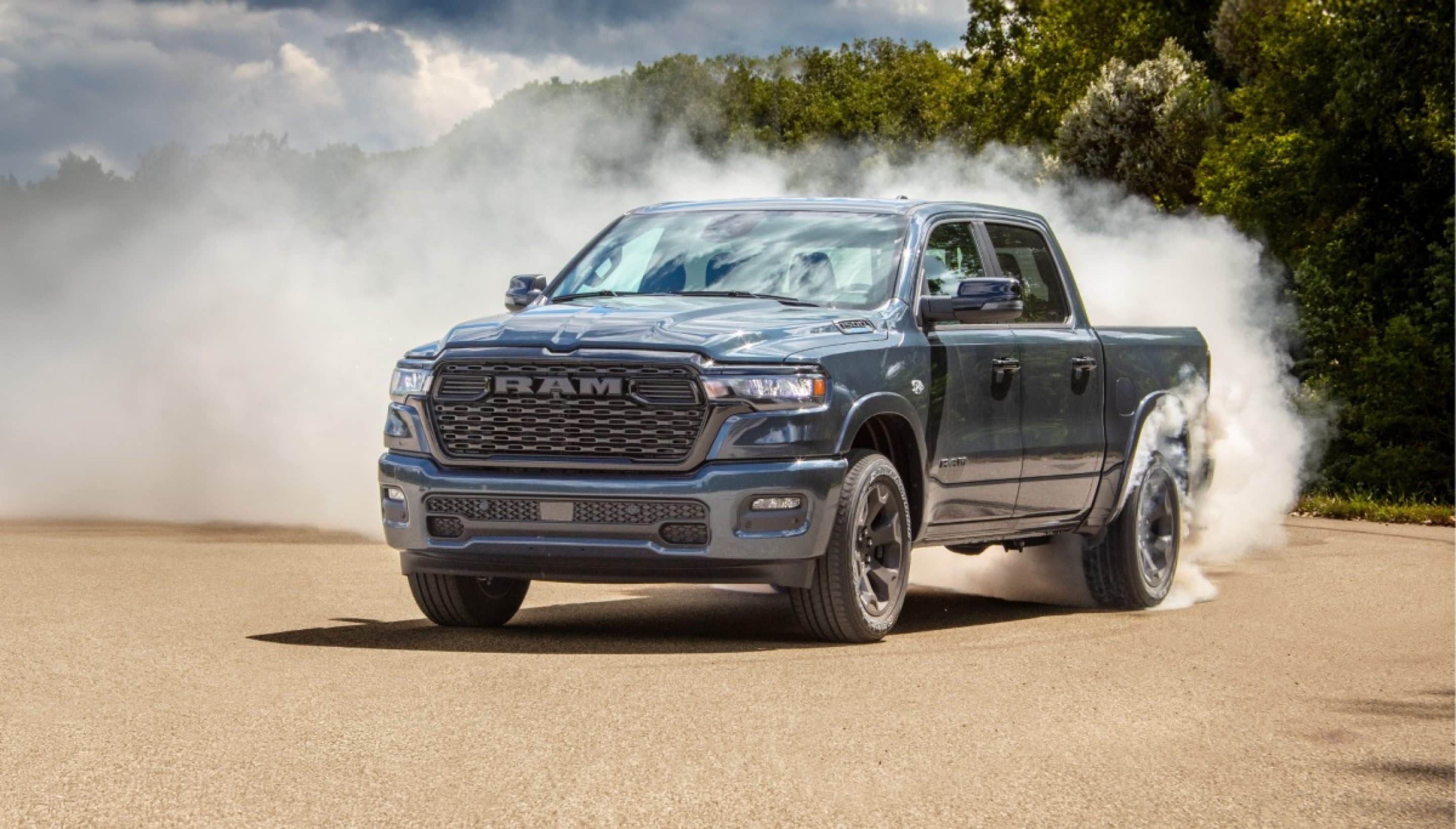
Ram truck leasing is essentially a long-term rental. You make monthly payments based on the vehicle’s expected depreciation over the lease term rather than its full value, which is why lease payments usually run lower than a comparable loan payment. At the end of the term, you hand the truck back, pay any end-of-lease fees, and either sign a new lease, buy out the truck, or walk away.
- Lower monthly payments compared to financing the same truck
- Warranty coverage typically spans the full lease term, limiting surprise repair costs
- You get a new truck every few years without worrying about resale
- Annual mileage allowances usually apply, often in the 10,000 to 15,000 mile range
If you like driving a new truck on a predictable schedule, it’s worth browsing current Ram 1500 inventory to see what lease terms are available right now.
How Buying or Financing a Ram Truck Works
Buying a Ram truck means either paying cash or financing it with a loan, and every payment builds equity toward full ownership. Once the loan is paid off, the truck is yours outright—no mileage cap, no turn-in inspection, and no restrictions on how you use or modify it. Financing a Ram truck instead of leasing typically means a higher monthly payment, but you’re paying down an asset instead of renting one.
- No mileage limits, ever, once the truck is paid off or even while you’re still financing it
- Full freedom to customize, upfit, or accessorize the truck
- Builds trade-in or resale value over time
- No end-of-lease wear-and-tear charges to worry about
Our finance center can walk you through loan terms, rates, and monthly payment estimates before you commit either way.
Mileage Limits and Upfitting: What Truck Owners Need to Know
This is where the lease vs buy decision gets truck-specific. Trucks get driven hard and modified often, and those two realities push the math in different directions than they would for a sedan or crossover.
Mileage Limits
If your daily routine includes a long commute, frequent job-site runs, or road trips for work, a standard lease’s mileage allowance can get tight fast. Overage fees typically run a set amount per mile at turn-in, so a high-mileage driver can end up paying a meaningful penalty on top of the lease itself. Buying removes that ceiling entirely.
Modifications and Upfitting
Leased trucks are expected to come back in close-to-stock condition. Toolboxes that require drilling, permanent ladder racks, lift kits, or aftermarket wheels can all trigger repair charges when the lease ends. If your work requires upfitting—racks, lighting, storage, or towing packages—buying or financing gives you the flexibility to build the truck around the job without worrying about the return inspection. Dealerships including ours offer an upfit allowance program for exactly this kind of buyer, and if you want a truck that’s already built up, our lifted trucks inventory is worth a look too.
Comparing the Real Cost Over Time
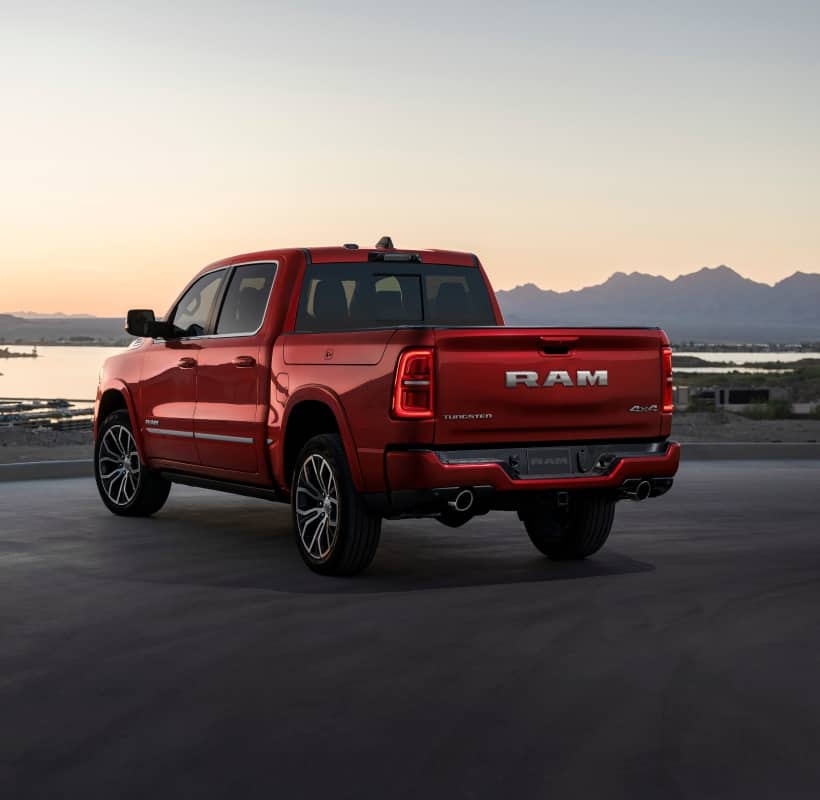
On a month-to-month basis, leasing almost always wins on price. But stretch the comparison out over several years and the picture changes. With a lease, you’re continuously making payments and turning the truck back in at the end, so there’s no equity to show for it—if you keep leasing back-to-back, you could spend more over time than the truck would have cost to buy outright, with nothing to sell or trade when you’re done. Financing costs more per month up front, but once the loan is paid off, you have a paid-off asset that still has value.
The right way to compare the two is to run your actual numbers rather than guess. Our payment calculator lets you estimate lease and loan payments side by side so you can see what fits your budget before you decide.
How to Decide: Leasing vs Buying Based on How You Drive
There’s no universal right answer here—it comes down to your mileage, your plans for the truck, and how long you intend to keep it.
- Leasing tends to make sense if: you drive a predictable, moderate number of miles per year, want lower monthly payments, prefer driving a new truck every few years, and don’t plan to modify it.
- Buying tends to make sense if: you drive high annual mileage, need to upfit the truck for work, want to build equity, or plan to keep the truck for many years.
- Business and commercial use: self-employed buyers and small business owners sometimes benefit from lease payment deductions, but many commercial users still prefer ownership for unlimited mileage and full upfitting freedom. Our commercial truck team can help you weigh both options against your business needs.
Frequently Asked Questions
Is it better to lease or buy a Ram truck?
It depends on how you use the truck. Leasing usually means a lower monthly payment and a new truck every few years, which suits drivers with predictable mileage who do not plan to modify the vehicle. Buying makes more sense if you drive a lot, tow or haul for work, or want to customize the truck and build equity over time.
What are typical mileage limits on a leased Ram truck?
Most Ram leases include an annual mileage allowance in the 10,000 to 15,000 mile range, and going over that limit means paying a per-mile overage fee when you turn the truck in. If you know you will drive more, you can often purchase additional miles upfront for less than the end-of-lease penalty, or choose a higher-mileage lease structure.
Can I customize or upfit a leased Ram truck?
Leased trucks generally need to go back close to stock condition, so permanent modifications like drilled-in toolboxes, lift kits, or custom paint can trigger repair charges at lease-end. If you plan to upfit your truck for work or personal use, financing or buying it outright gives you the freedom to modify it without those restrictions.
Does leasing or buying a Ram truck cost less over time?
Leasing typically costs less per month, but since you never stop making payments and don’t build equity, it can add up to more over several years with nothing to show for it at the end. Buying costs more upfront and month to month, but once the loan is paid off, you own an asset you can keep driving, sell, or trade.
Can I lease a Ram truck at DuPage Chrysler Dodge Jeep Ram?
Yes. DuPage Chrysler Dodge Jeep RAM in Glendale Heights offers both lease and finance options on new Ram 1500, 2500, and 3500 trucks. The finance team can walk you through current terms, estimate payments for either path, and help you decide which option fits your budget and how you plan to use the truck.
Whether you lease or buy, the smartest move is running your own numbers and talking through your specific driving habits with a finance professional who knows Ram trucks inside and out. Drivers throughout Glendale Heights, Naperville, and Schaumburg count on our team to lay out both options honestly instead of pushing one over the other. Browse our current Ram truck inventory or contact us to talk through your lease and finance options with our team today.
0 comment(s) so far on Lease vs Buy Ram Truck: Which Path Actually Fits Your Drive?