






Bad Credit Auto Financing Options That Work
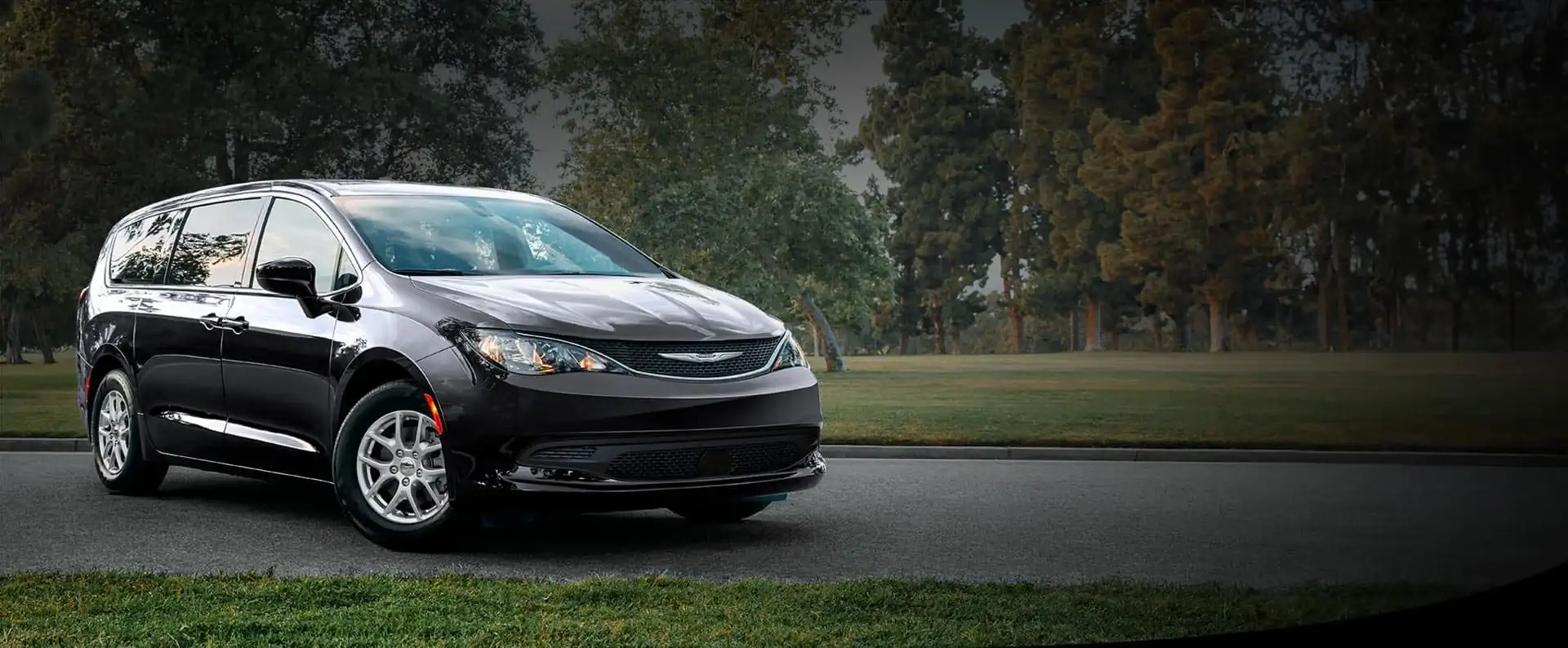
A lower credit score should change the conversation, not end it. The best bad credit auto financing options are built around what you can comfortably afford each month, the vehicle’s long-term reliability, and a lender decision you understand before signing. Whether you need a family-ready Chrysler Pacifica, a Jeep Grand Cherokee, a capable RAM truck, or a value-focused used vehicle, the goal is the same: get dependable transportation without accepting terms that create a bigger problem later.
At DuPage Chrysler Dodge Jeep RAM, shoppers from Glendale Heights, Wheaton, Bloomingdale, Carol Stream, Naperville, and nearby communities can have a direct financing conversation. That means looking at real options, explaining the trade-offs, and matching you with a vehicle that makes sense for your needs.
What Bad Credit Means for an Auto Loan
“Bad credit” is a broad label. It may reflect a past late payment, a high credit-card balance, a collection account, limited credit history, or a major life event that affected your finances. Lenders do not view every credit report the same way. They generally consider your income, employment stability, current debt, down payment, vehicle choice, and payment history alongside your score.
A lower score can mean a higher interest rate, a required down payment, or fewer loan term choices. It does not automatically mean you cannot finance a vehicle. It does mean you should pay closer attention to the full deal, especially the annual percentage rate, loan length, total amount financed, and monthly payment.
Be wary of any offer that focuses only on a low monthly payment. Extending a loan can reduce the payment while increasing the total interest paid and keeping you in the loan longer than the vehicle fits your situation. Real answers begin with the complete numbers, not a slogan.
Bad Credit Auto Financing Options to Compare
There is no single best path for every shopper. The right option depends on your credit profile, cash available for a down payment, trade-in situation, and how long you expect to keep the vehicle.
Dealership-arranged financing
A dealership can submit your application to multiple potential lending partners, which may save time compared with applying one lender at a time. A broad lender network can be especially useful for shoppers rebuilding credit because different lenders weigh income, residence history, and vehicle age differently.
Ask for clarity on the rate, term, required down payment, and whether the lender has any vehicle restrictions. If you are comparing a newer Jeep Wrangler with a certified pre-owned SUV, for example, the financing structure may vary even when your credit information stays the same.
A bank or credit union preapproval
Getting preapproved through your bank or credit union gives you a benchmark before you shop. You will know the approximate rate and maximum amount you may qualify for, which can help you evaluate a dealership financing offer fairly.
Preapproval is not always the final answer. The lender may set limits on model year, mileage, loan-to-value ratio, or the types of vehicles it will finance. Still, it is a useful comparison point and can make the buying process more confident.
A co-applicant
A co-applicant with stronger credit and stable income may improve approval odds or help you qualify for better terms. This arrangement is serious, not a formality. Both people are responsible for the loan, and missed payments can affect both credit profiles.
Use a co-applicant only when everyone understands the responsibility and the vehicle ownership details are clear. A better rate is helpful, but it is not worth creating strain in an important relationship.
A larger down payment or trade-in
A down payment reduces the amount borrowed. A trade-in can do the same, provided you know its actual value and the amount still owed on it. Both can improve the lender’s view of the deal and may reduce your payment or interest costs.
Do not drain your emergency savings just to make a larger down payment. Leave room for insurance, registration, fuel, maintenance, and the unexpected expenses that come with daily driving in Illinois winters.
Certified pre-owned or carefully selected used vehicles
For many buyers rebuilding credit, a certified pre-owned vehicle or a well-maintained used vehicle can be a practical financing choice. The amount financed may be lower than a new vehicle, while certified options offer added inspection and warranty confidence.
The trade-off is that older vehicles can carry different lender requirements, and some high-mileage vehicles may not qualify for the same terms as newer inventory. Focus on the total condition, history, available protection, and how the vehicle fits your routine. A used RAM 1500 for towing or a certified Grand Cherokee for family travel should meet the job without stretching the budget.
Choose the Vehicle Before the Payment Chooses You
A loan approval amount is not a spending target. Start with how you use your vehicle. A growing family may need third-row space in a Grand Cherokee L or Pacifica. A contractor may need the cargo capacity and upfit potential of a RAM ProMaster. A commuter who wants plug-in capability may be considering a pre-owned Pacifica Plug-in Hybrid or Grand Cherokee 4xe.
Then consider the ownership costs around that vehicle. Insurance can vary significantly by model and driver profile. Tires, fuel, charging access, towing equipment, and maintenance all matter. The strongest purchase is one that works on the road and in your monthly budget.
A comprehensive inventory gives you choices if the first vehicle you like does not fit the lender’s terms. Being flexible about trim level, age, color, or certified pre-owned status can create a better overall deal than forcing one specific vehicle into a loan structure that does not work.
How to Improve Your Approval Position
You do not need a perfect credit report to prepare well. Begin by reviewing your report for errors and disputing inaccurate information before applying. Avoid taking on new debt immediately before vehicle financing, and make every current payment on time.
Bring documentation that helps verify your ability to repay. Lenders commonly request proof of income, proof of residence, a valid driver’s license, insurance information, and details on a trade-in if you have one. If your income includes overtime, commissions, self-employment, or multiple jobs, ask what documentation will best show the full picture.
A small improvement in your financial profile can make a meaningful difference. Paying down a revolving balance, saving a reasonable down payment, or waiting until you have a longer record at a new job may expand your choices. If transportation is urgent, the key is to be honest about what you can manage now.
Questions to Ask Before You Sign
Financing should be easy to explain. Before committing, ask what your exact interest rate is, how many payments you will make, whether there is a prepayment penalty, and what the total amount of your payments will be. Ask about optional products separately so you can decide whether they add value for your situation rather than rolling them into a payment without discussion.
Also ask whether refinancing may be possible later. If you make on-time payments and improve your credit, refinancing could reduce your rate or shorten the loan. It depends on your credit progress, vehicle value, remaining balance, and lender requirements, so it is a possibility rather than a promise.
Avoid predatory offers that promise approval with no attention to your ability to repay or that leave the rate, fees, and terms unclear. A lender should be able to explain the agreement in plain language. If you need time to review it, take that time.
A Straightforward Next Step
Bad credit financing is not about settling for the first approval. It is about finding a payment, vehicle, and loan structure you can live with confidently. Browse new, used, and certified pre-owned inventory, gather your documents, and complete a financing application when you are ready. Se Habla Español. A transparent conversation now can help you build a stronger driving and credit future one on-time payment at a time.
Frequently Asked Questions
Can I get approved for a car loan after bankruptcy or repossession?
It is often possible, though the terms may differ from those offered to buyers with stronger credit. Lenders will look at how much time has passed, your current income and stability, and your down payment. Being upfront about your history helps the finance team at DuPage Chrysler Dodge Jeep RAM find lenders that work with situations like yours.
Will a car loan help rebuild my credit?
It can, if the lender reports to the credit bureaus and you make every payment on time. Consistent on-time payments are one of the most important factors in credit scoring. Choose a payment you can manage comfortably, because a missed payment can set progress back. Ask whether your lender reports to all three major credit bureaus.
Where can I get my credit report for free before applying?
You can request free credit reports from each of the three nationwide credit bureaus through AnnualCreditReport.com, the official site authorized by federal law. Review each report for accounts you do not recognize, incorrect late payments or outdated information, and dispute errors before you apply. Fixing mistakes first can improve the options you see when you finance.
Is it better to buy a used vehicle when rebuilding credit?
A used or certified pre-owned vehicle can lower the amount you finance, which may make approval and payments more manageable. Some lenders set limits on vehicle age and mileage, so the right choice balances price, condition and loan terms. Shoppers from Glendale Heights, Addison and Bloomingdale can compare new and used options side by side before deciding.
0 comment(s) so far on Bad Credit Auto Financing Options That Work